

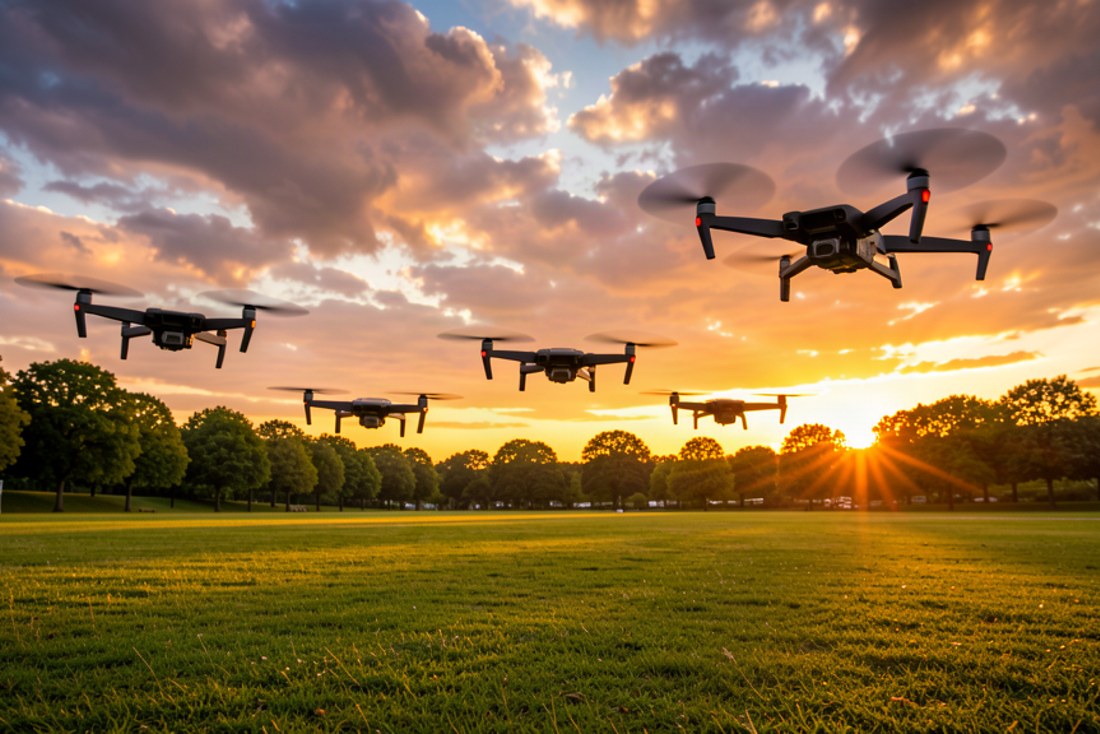
There’s nothing quite like your first flight. The hover, the first wobble, the inevitable crash into the sofa — and then you’re hooked. Remote control flying has never been more accessible, with beginner-friendly drones and helicopters now packed with features that used to cost hundreds. Here’s how to pick your first RC aircraft.
Start with a stable, forgiving flyer
The biggest mistake beginners make is buying something too twitchy. Look for headless mode (which makes controls direction-based rather than aircraft-based) and obstacle avoidance, so early crashes don’t end your flying days. The LH-X79 LED RC Drone with Obstacle Avoidance is a great example — 2.4GHz control, 360° flips and bright LEDs for evening flying, with sensors that help it steer clear of trouble.
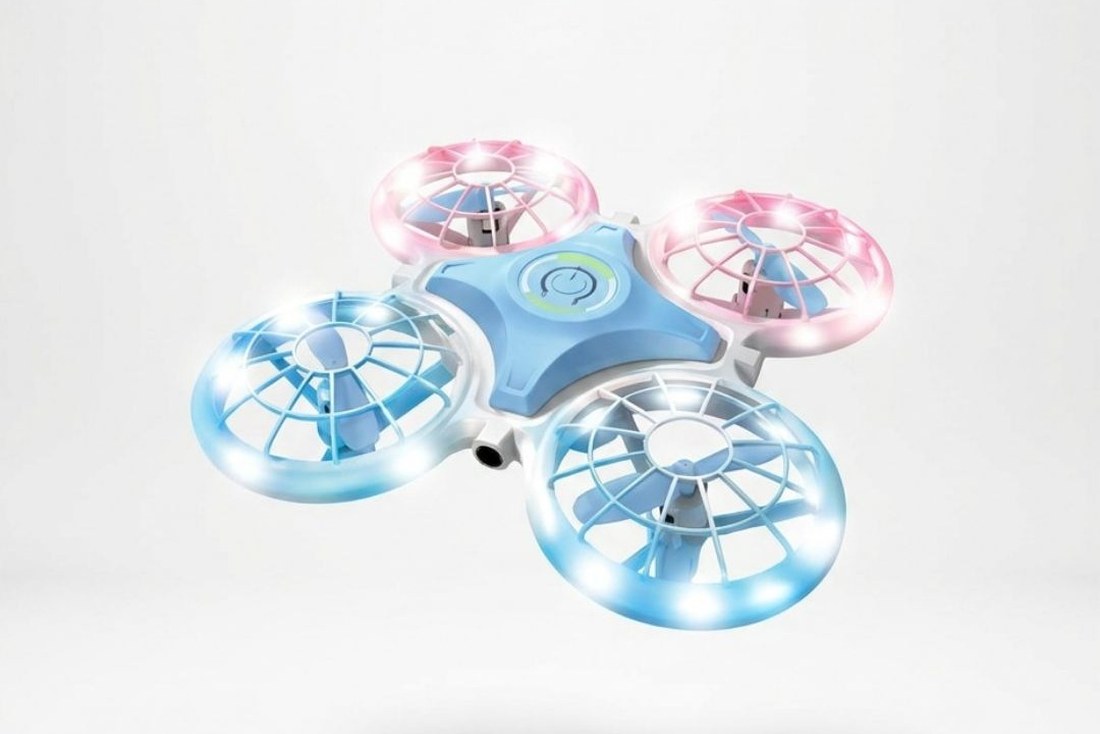
Want a camera on board?
Once you’re confident on the sticks, an HD camera adds a whole new dimension. The LH-X82S Rapid Aircraft RC Drone shoots aerial video while its headless mode keeps the controls simple. If you fancy something a bit different, the saucer-shaped LH-X85-1 RC UFO Drone combines HD camera, obstacle avoidance and a design that looks great in the air.
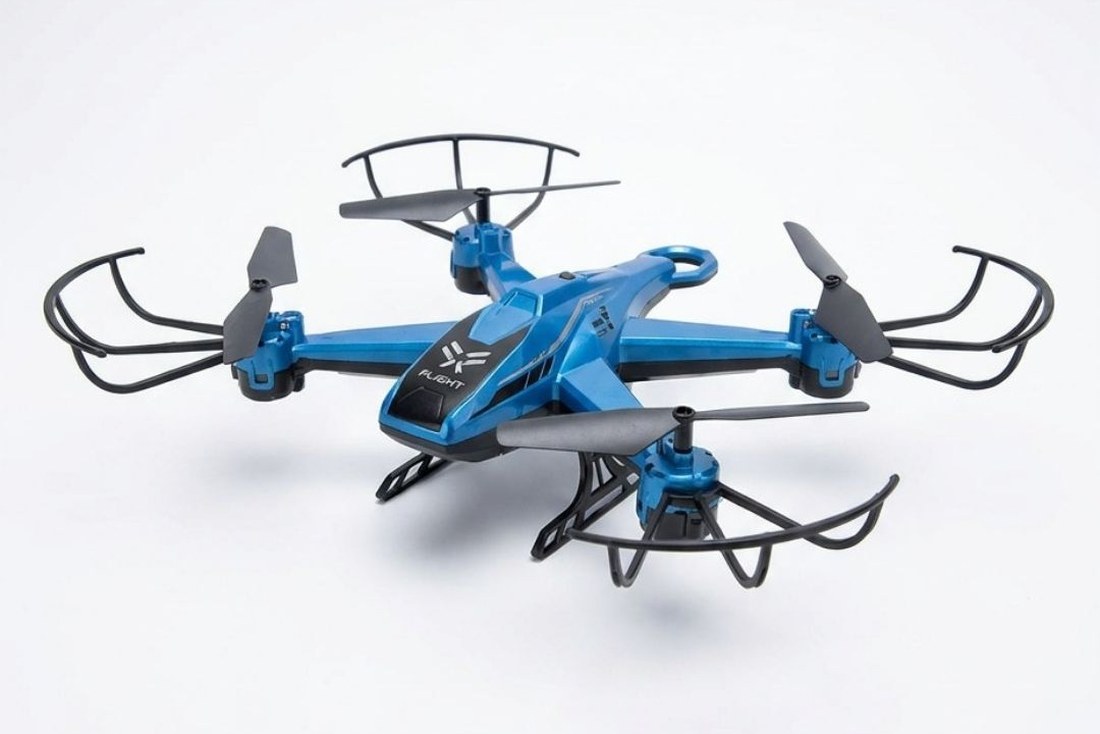
Gesture control: flying without the transmitter
The most futuristic way to fly is with your hands. The LH-X90S-2 Thunder Combat Drone is controlled by wrist gestures, making it brilliant fun for kids and grown-ups alike — no bulky controller to master.
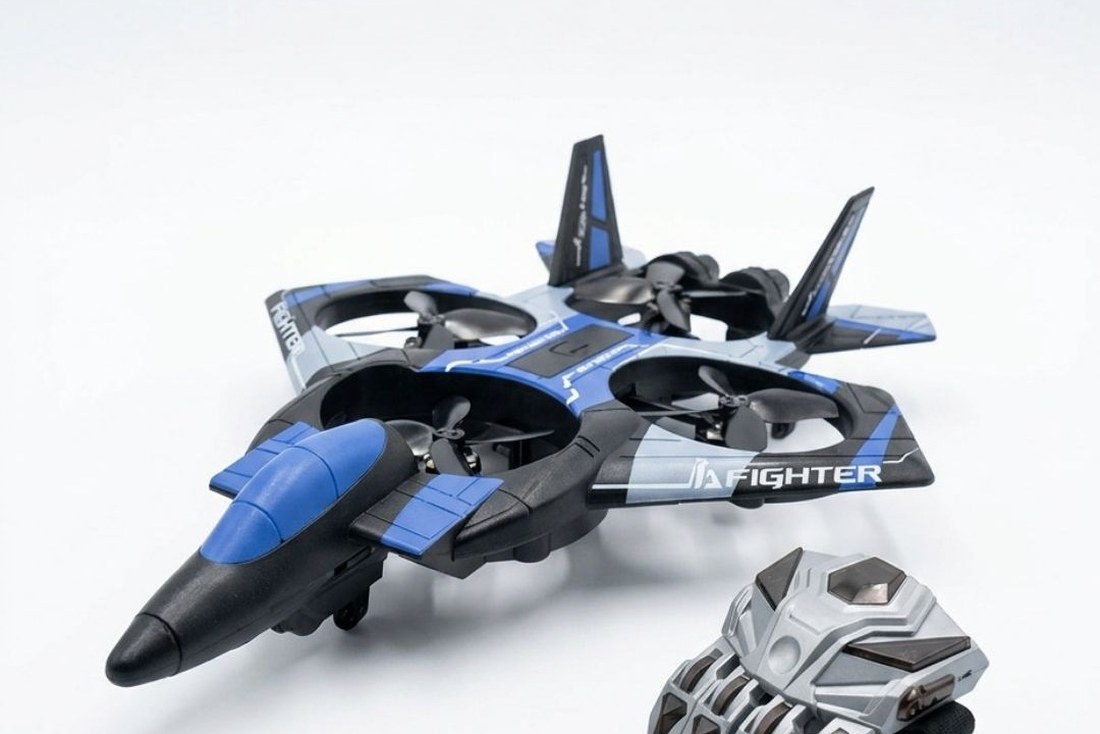
Indoor and micro flyers
Bad weather? Take it inside. The 2401 Mini RC Induction Helicopter responds to your hand — hover your palm beneath it and it rises — while the X Flyer 2-Channel Mini Helicopter keeps things classic with LED lights and USB fast charging. Both are ideal first flyers for younger pilots.
The takeaway
Start with stability, add a camera when you’re ready, and keep a micro flyer indoors for rainy days. Whatever your budget, there’s a ready-to-fly machine waiting. Browse the full radio control range at Better Buy and get airborne this weekend.